THE DESERT By Olivier Sylvestre | Translated by Leanna Brodie
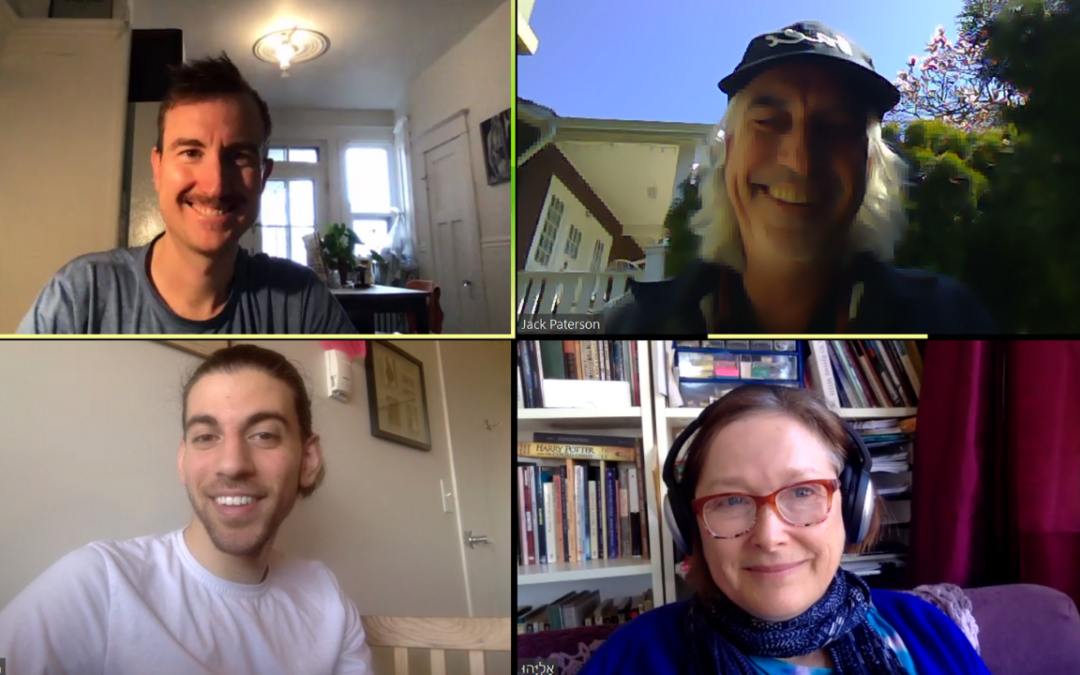
Olivier Sylvestre (Montreal), Leanna Brodie, Brian Postilian & Jack Paterson (Vancouver)
A winter night. A man speaks to you, from the other side of the bed. He speaks of a dream he has every night. He speaks to you from the pit in his stomach, the void that fills him. He tells you why he cannot stay. Why he will leave, soon, maybe, tomorrow. Playwright Olivier Sylvestre leads takes the audience into the depths of night. In a free form of musical performance, theatre and spoken word, he invites the audience into an intimate and dizzying dive in the heart of a toxic relationship where you becomes the illusory remedy for a wrong impossible to name.
ABOUT THE PLAYWRIGHT Olivier Sylvestre
Olivier Sylvestre is a Montreal based playwright and author most noted for La beauté du monde, which won the Prix Gratien-Gélinas and was shortlisted for the Governor General’s Award for French-language drama (2015) and his short story collection Noms fictifs, which was a shortlisted for the Governor General’s Award for French-language fiction (2018).
ABOUT THE TRANSLATOR Leanna Brodie
Leanna Brodie is an actor, playwright, and translator whose passions include lifting up the stories and voices of women, and championing a new generation of French-Canadian playwrights by transmitting their extraordinary theatrical visions into the English language. Her original plays The Vic, For Home and Country, The Book of Esther, and Schoolhouse (Talon Books) have been performed across Canada. Her translations include Christian Bégin’s After Me and Why Are You Crying?; Louise Bombardier’s My Mother Dog; Annie Brocoli’s Stardust; Rébecca Déraspe’s You Are Happy, I Am William, and Gametes; Amélie Dumoulin’s Violette; Sébastien Harrisson’s From Alaska and Two-Part Inventions; Catherine Léger’s Opium_37 and I Lost My Husband!; David Paquet’s Wildfire and The Shoe; Olivier Sylvestre’s The Paradise Arms; Philippe Soldevila’s Tales of the Moon; Larry Tremblay’s Panda Panda; and multiple plays by Hélène Ducharme of Théâtre Motus, whose acclaimed, Dora Award-winning Baobab continues to tour China and the Americas after more than 600 performances.
HAVEN By Mishka Lavigne | Translated by Neil Blackadder Translated from Havre (Francophone Canada)
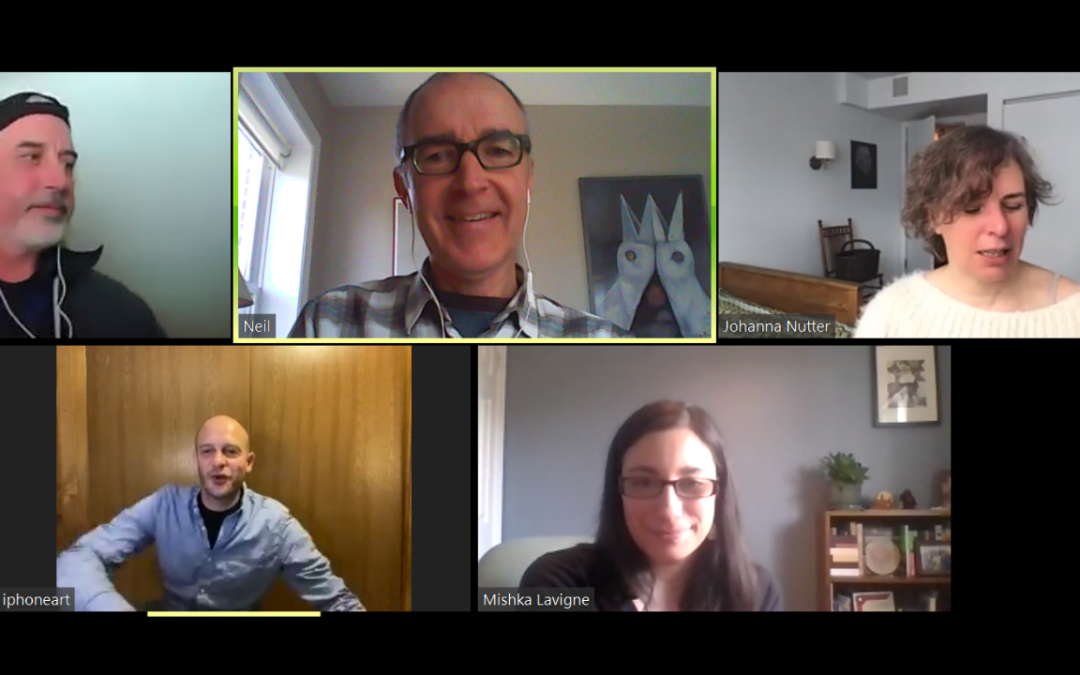
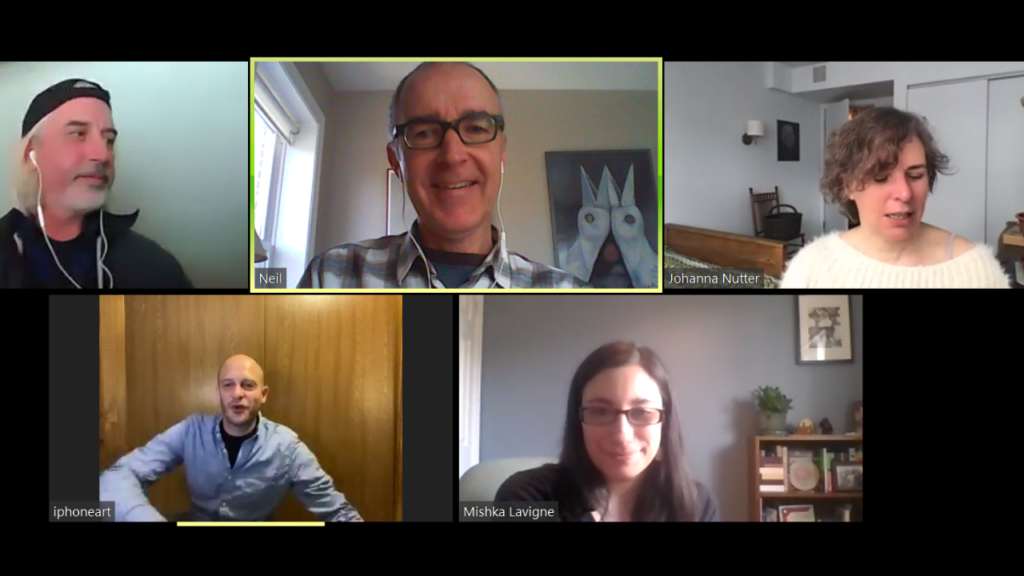
The workshop included Mishka Lavigne (Ottawa), Neil Blackadder (Chicago), Johanna Nutter (Montreal), Art Kitching & Jack Paterson (Vancouver)
Elsie has just lost her mother, and Matt, is searching for his past. They’re brought together by the hole that opened up in the asphalt and the contents of the car that fell to the bottom. Haven is a play about loss, about absence, about emptiness. But it’s also a play about overflow, about too many memories and too many regrets. Haven speaks of friendships of necessity. Of the people we meet when we need them the most; those we meet when everything around us crumbles. Haven in the storm.
Recipient of the Governor General’s Award for Drama French Language (2019).
ABOUT THE PLAYWRIGHT Mishka Lavigne
Mishka Lavigne is a playwright and literary translator based in Ottawa/Gatineau. Her translation work for theatre has been seen in Ottawa, Montreal, and France. Héritage, her translation of Lorraine Hansberry’s A Raisin in the Sun opened the 2019-2020 season at Duceppe in Montreal. She is currently working on a French translation of Karen Hines’ All The Little Animals I Have Eaten. Her translations of poetry were published in Ontario and Québec, included the recently published Cette blessure est un territoire, a French translation of Billy-Ray Belcourt’s Griffin Poetry Prize winning collection This Wound is a World. Her own works include Cinéma (Théâtre la Catapulte and Théâtre Belvédère.), Vigile (Théâtre Rouge Écarlate). Her play Havre recently won the Governor General’s Literary Award for Drama (French) and was shortlisted for the Prix Michel-Tremblay.
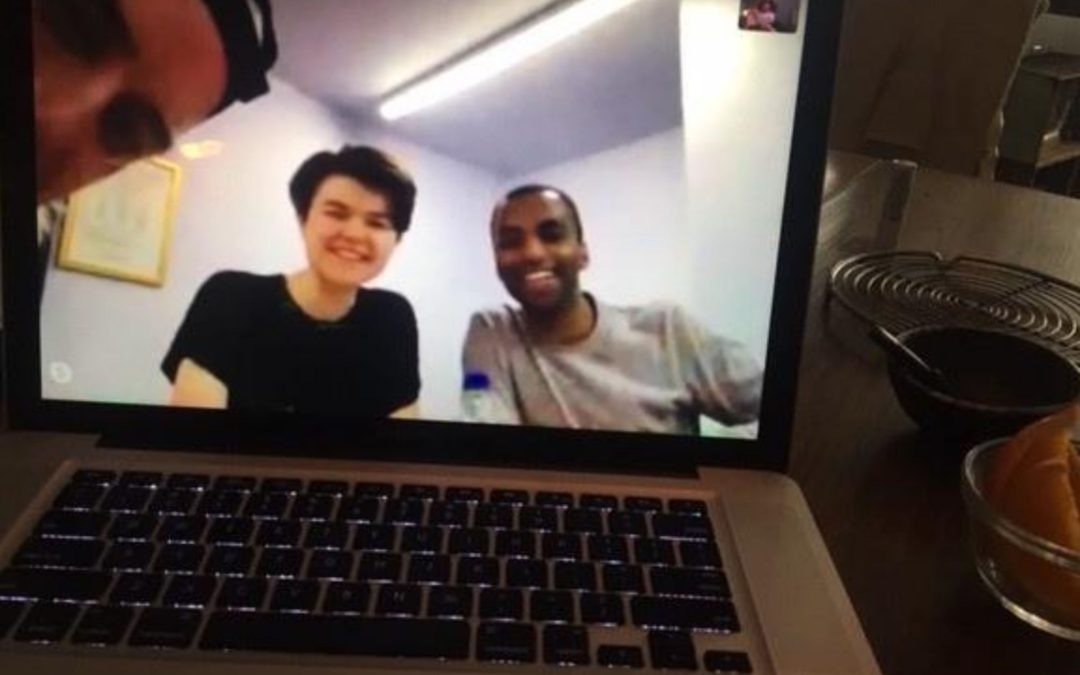
From Montreal to London via translator Johanna Nutter’s skype
This March, Bouche was kindly invited by the British Equity WSW London Office to lead some new play development activities. Taking advantage of this opportunity to introduce British artists to francophone Canadian works, we workshopped two translations. Barbed Wire translator, Johanna Nutter, joined us from Montreal via skype.
BARBED WIRE By Annick Lefebvre | Translated by Johanna Nutter
A strand of barbed wire has started to grow inside you. You’ve got about an hour before your lips are sewn shut. What will you say while you still have the time? What will be your last word? This play is written with gender fluidity in mind.
ABOUT THE PLAYWRIGHT: ANNICK LEFEBVRE Before completing her degree in criticism and dramaturgy, Annick Lefebvre had placed her buttocks in Wajdi Mouawad’s Rehearsal Hall for Incendie (Scorched). In 2012, Annick founded Le Crachoir, a company that examines the role of the author in the process of creating, producing and presenting theatre. She is the author of Ce samedi il pleuvait (Marc Beaupré, Le Crachoir, Aux Écuries, 2013), La machine à révolte (Jean Boillot, Le Préau / NEST-Théâtre, 2015), Barbelés (Alexia Bürger, Théâtre de Quat’sous et Théâtre La Colline, 2017) and ColoniséEs (René Richard Cyr, CTD’A, 2019). Her play J’accuse (Sylvain Bélanger, CTD’A, 2015) received the BMO Dramatic Writing Award, was a finalist for the AQCT Critics’ Award, the Prix Michel Tremblay and the Governor General of Canada Literary Award in 2015. Annick is currently adapting J’accuse for France (Sébastien Bournac, compagnie Tabula Rasa). Her work is published by Dramaturges Éditeurs.
Special thank you to actors to Stevie Skinner and JD Hunt.
WORKSHOP: FUSION OF WESTERN DEVISING & BALINES TRANDITIONAL PERFORMING ARTS PRACTICES
BALINESE FOLK TALES
Devised with the Wayang Graduate Class Directed by Jack Paterson Indonesian Institute for the Arts (Denpasar, Indonesia)
ABOUT
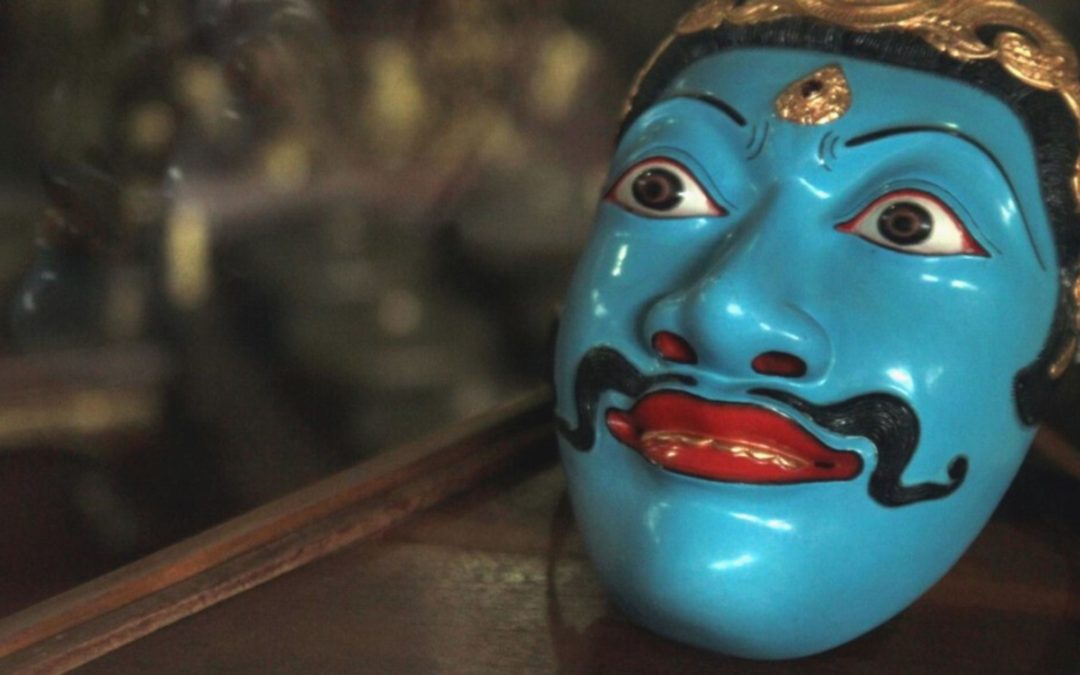
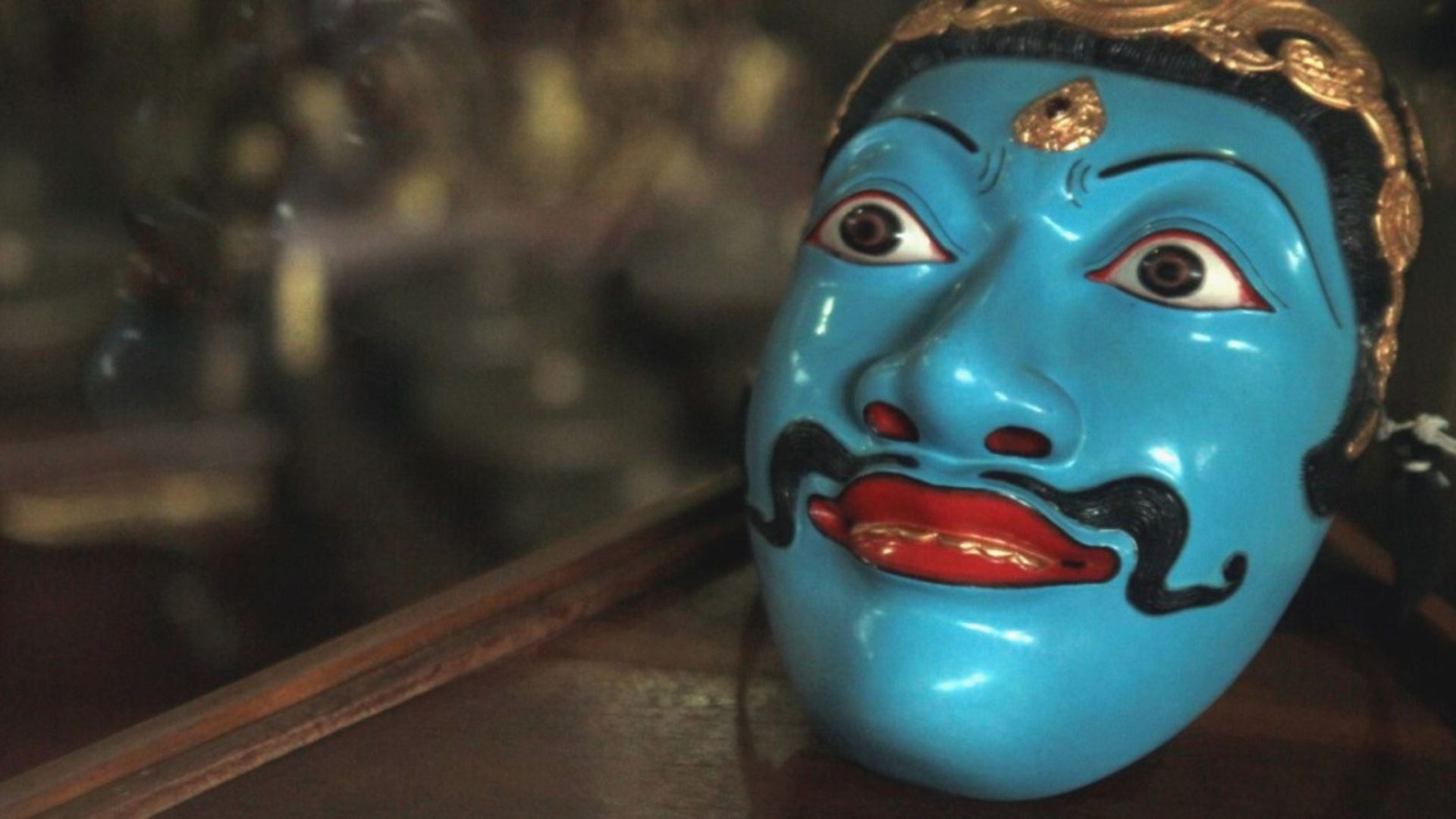
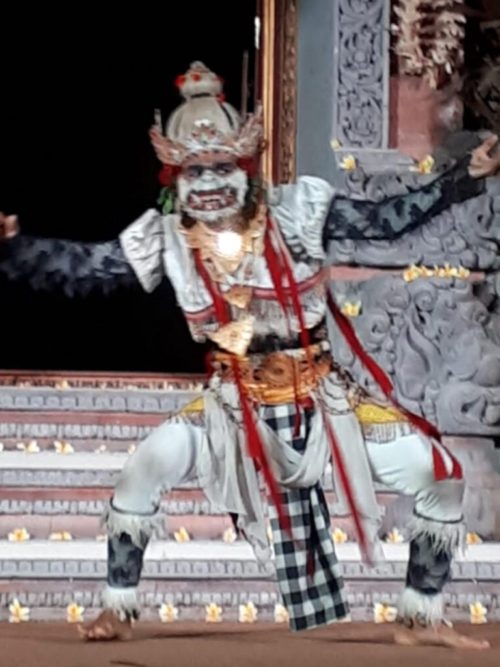
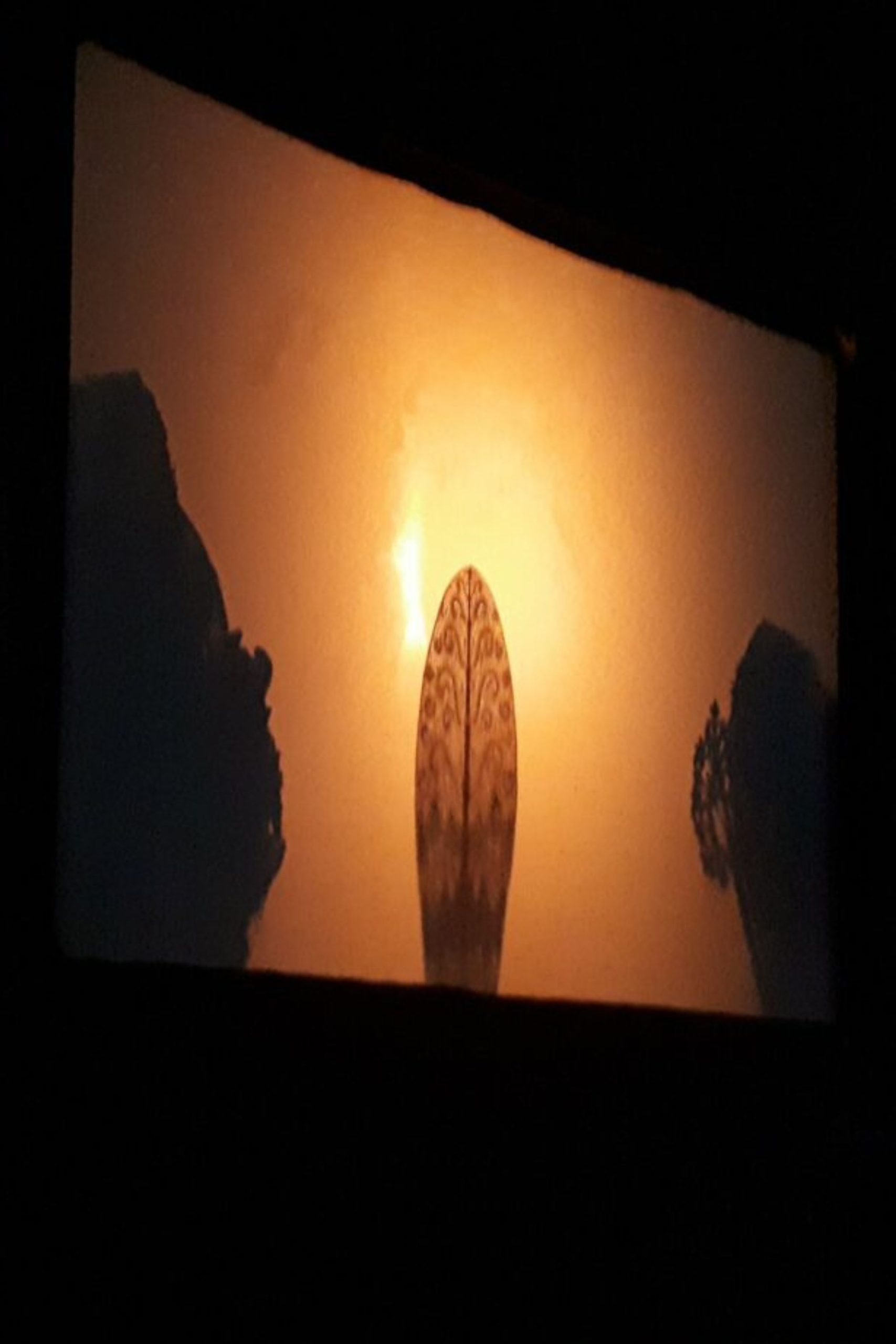
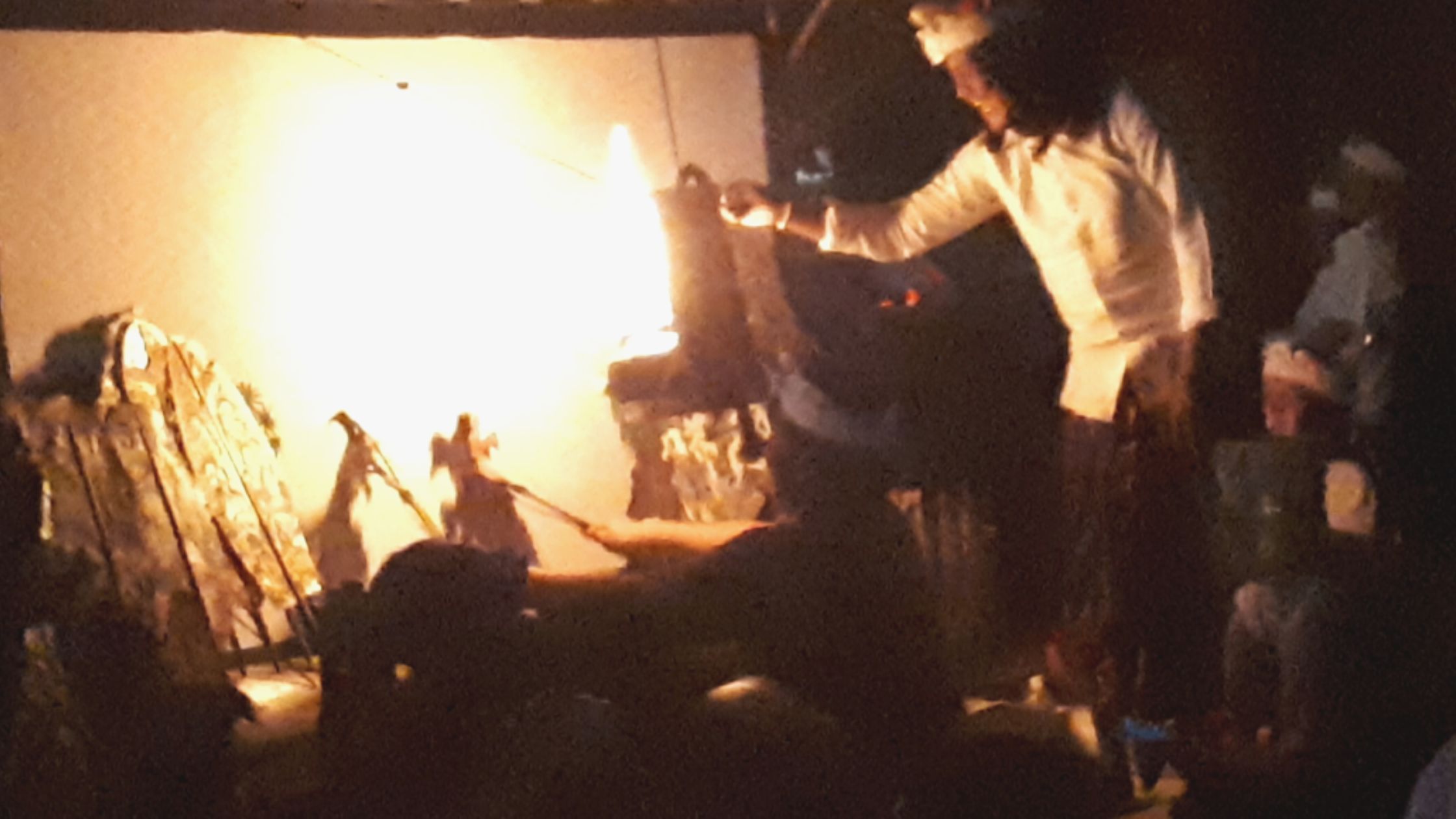
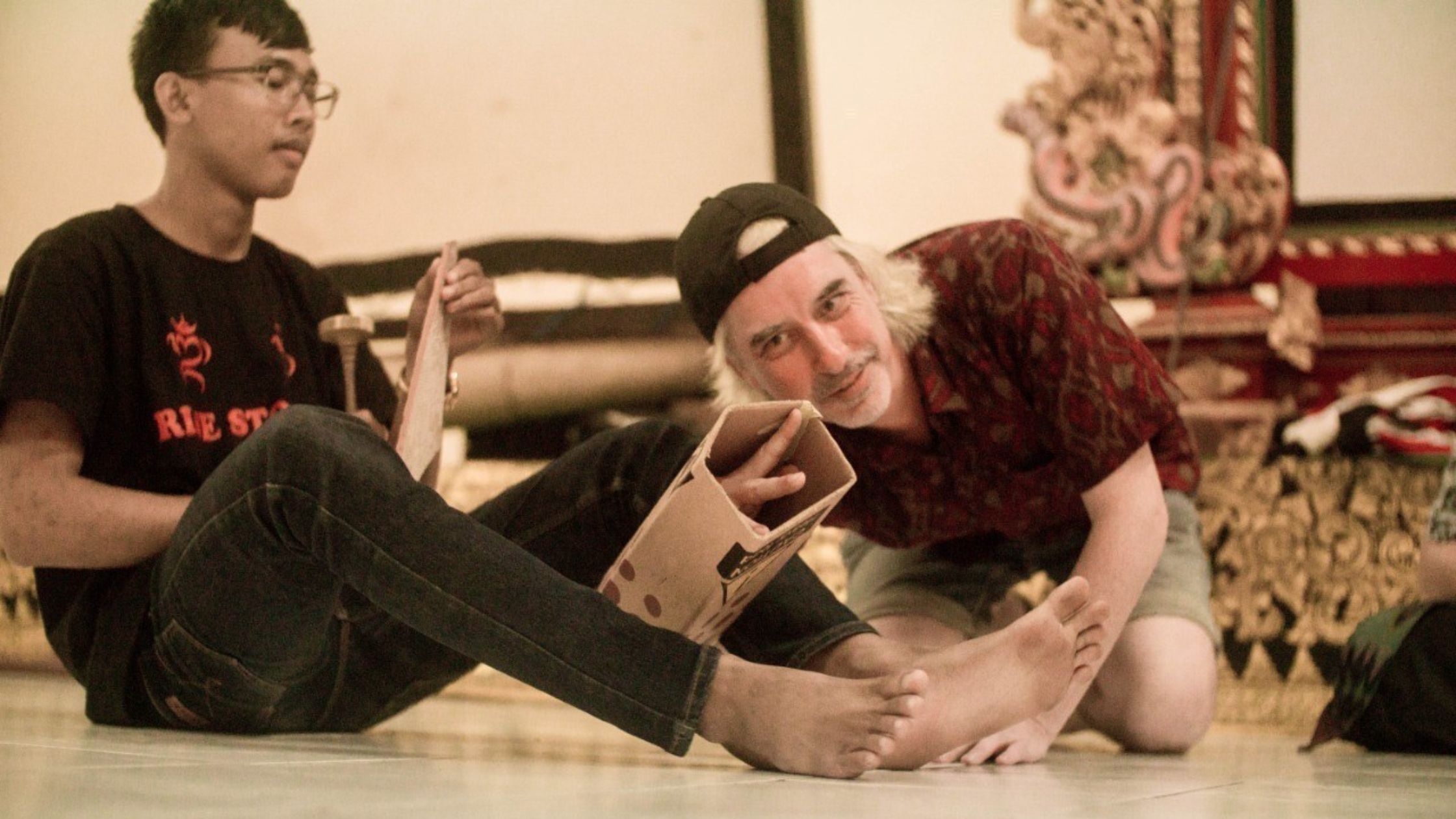
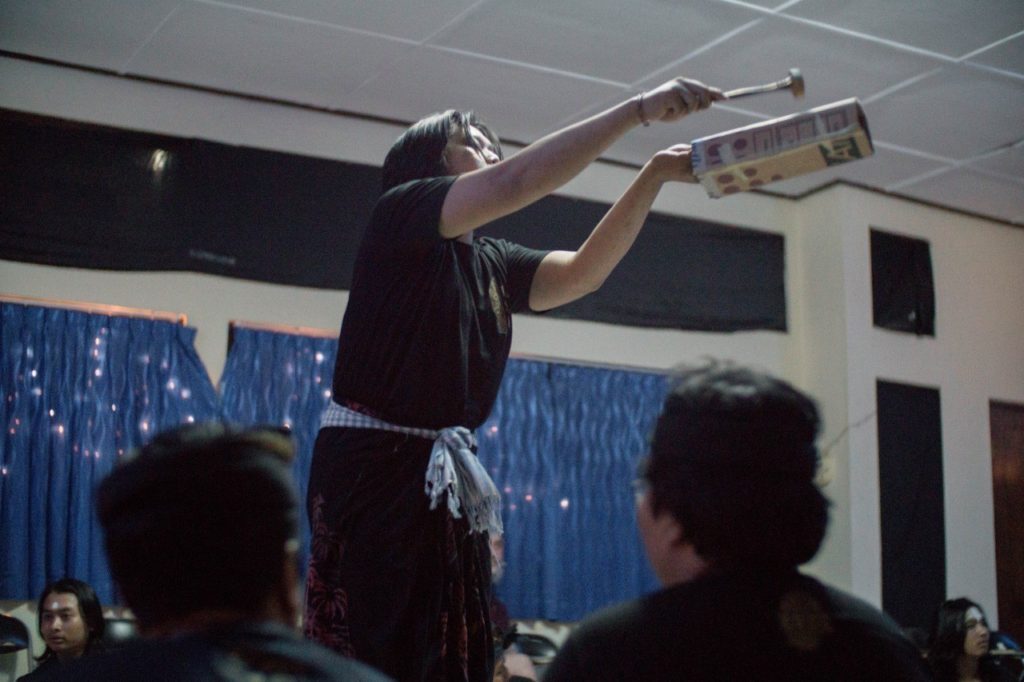
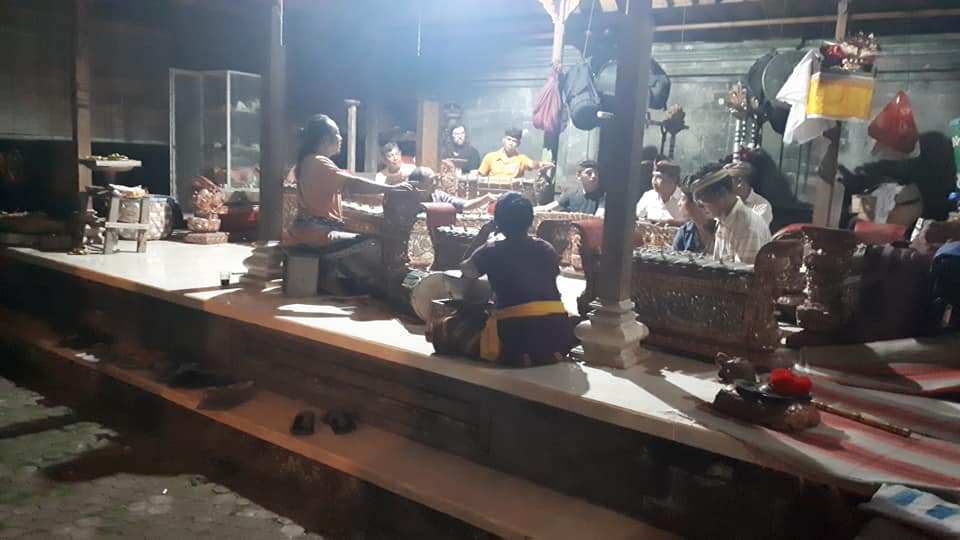
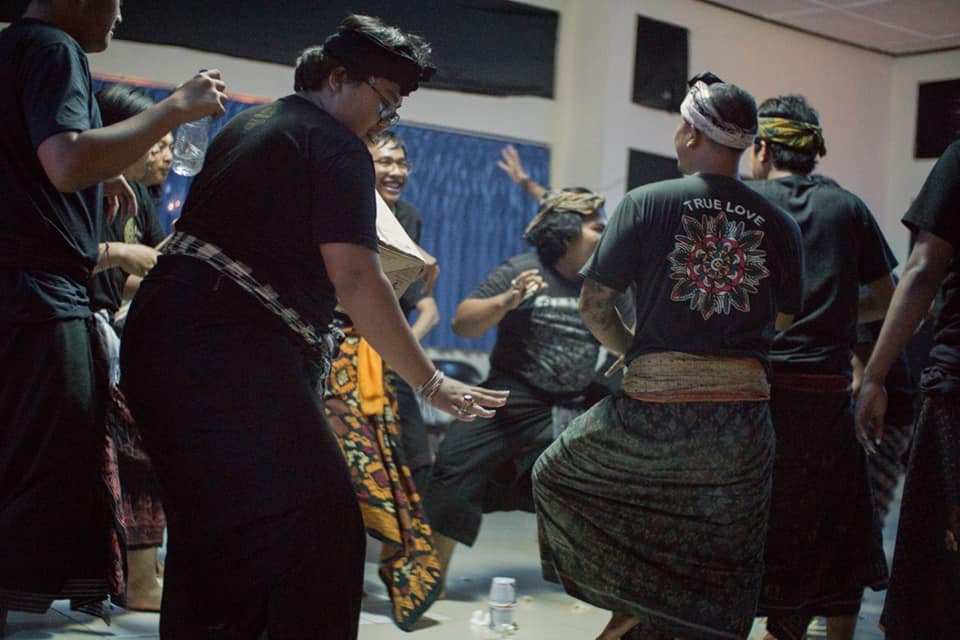
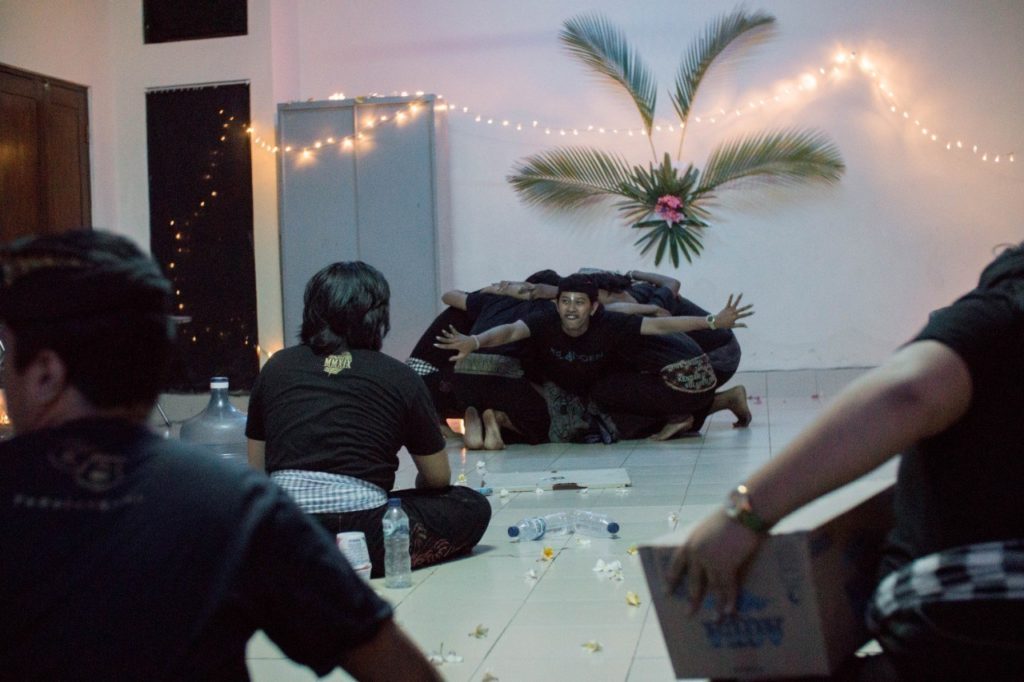
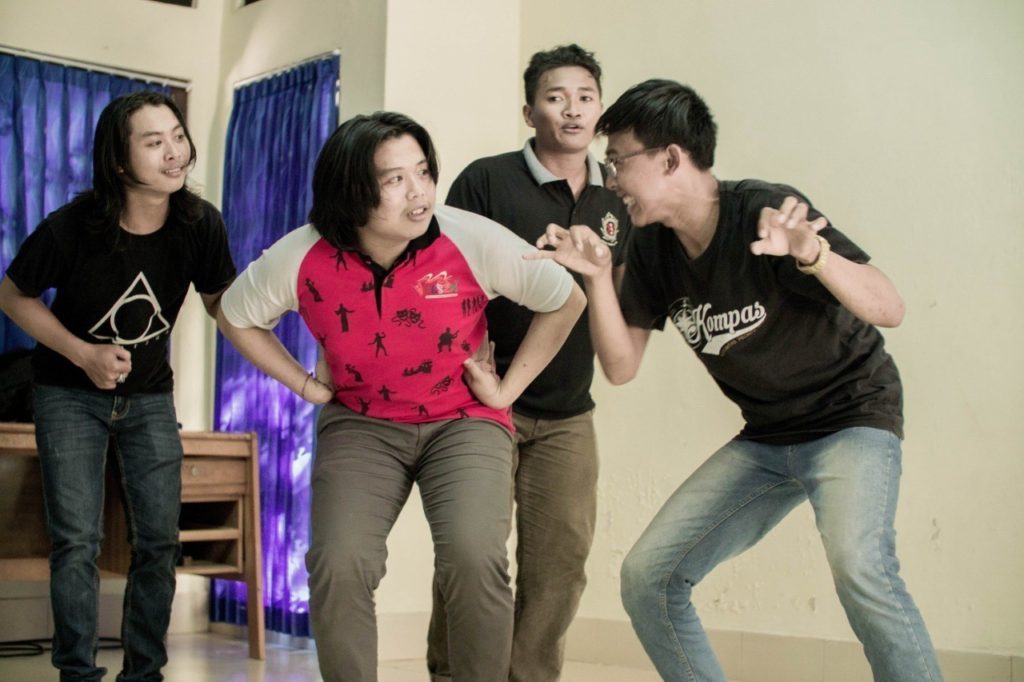
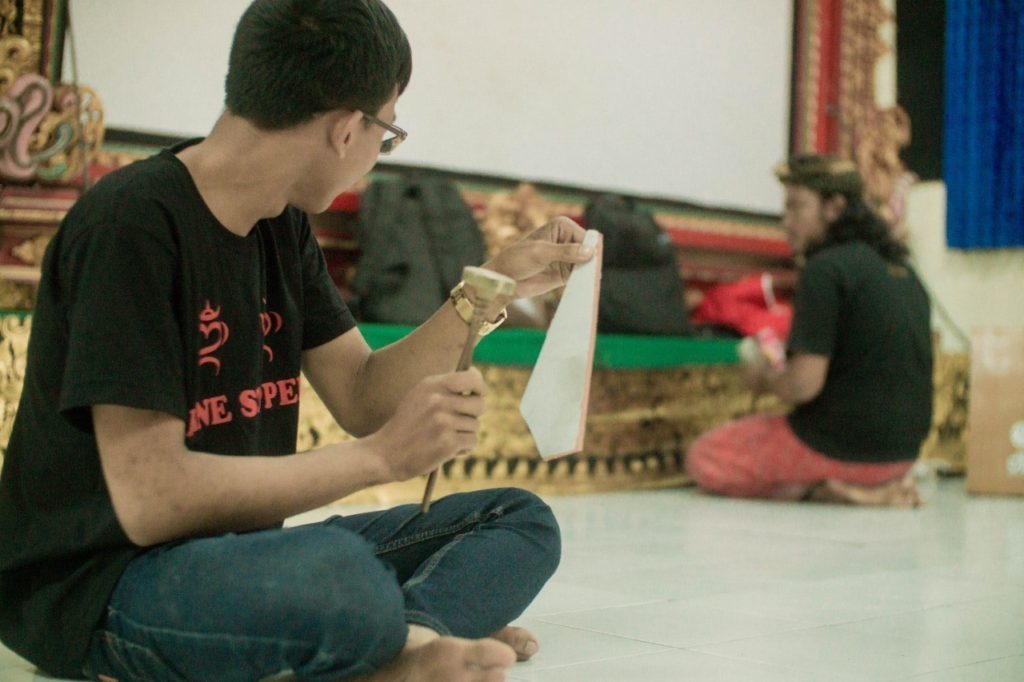
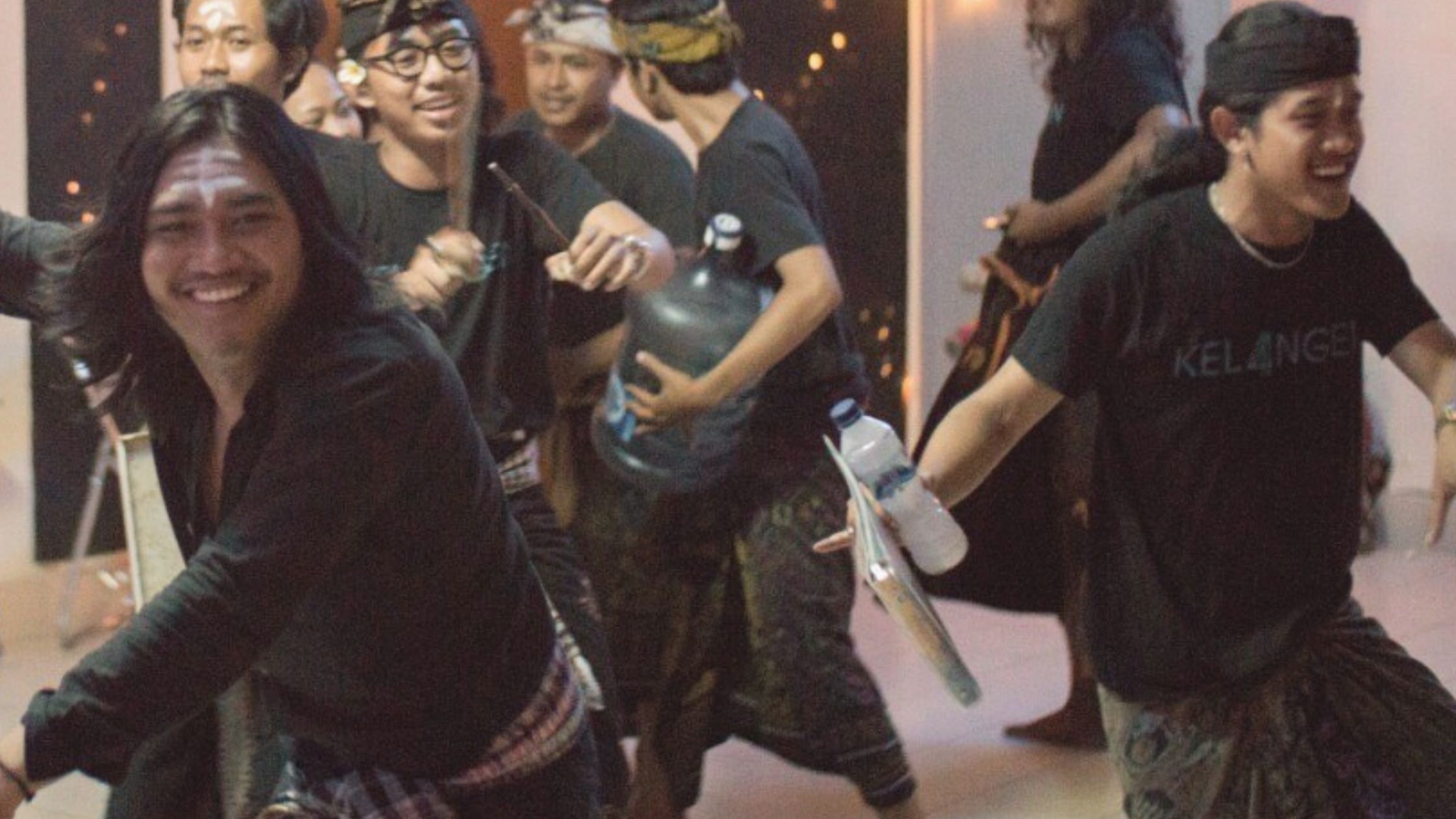
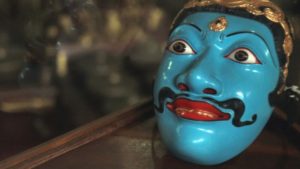
In fusion of Western Devised Creation and Traditional Balinese Performing Arts, this workshop featured the combining of western devised creation practices such as physical theatre (Lecoq & Viewpoints), Verbatim Text, New Media, and Found Object with Wayang (shadow puppetry), Kecat (Chant/ Dance), Topeng (dance), Arja (Sung Drama) and Gamelan Orchestra.
The Traditional Balinese Preforming Arts Practices are truly unique. Due to a historical tragedy and a tremendous act of bravery by Balinese leadership in colonial times, the Balinese society was protected from the cultural repression commonly associated with European colonization. As a result, the performing arts practices such as Wayang Kulit reach back thousands of years.
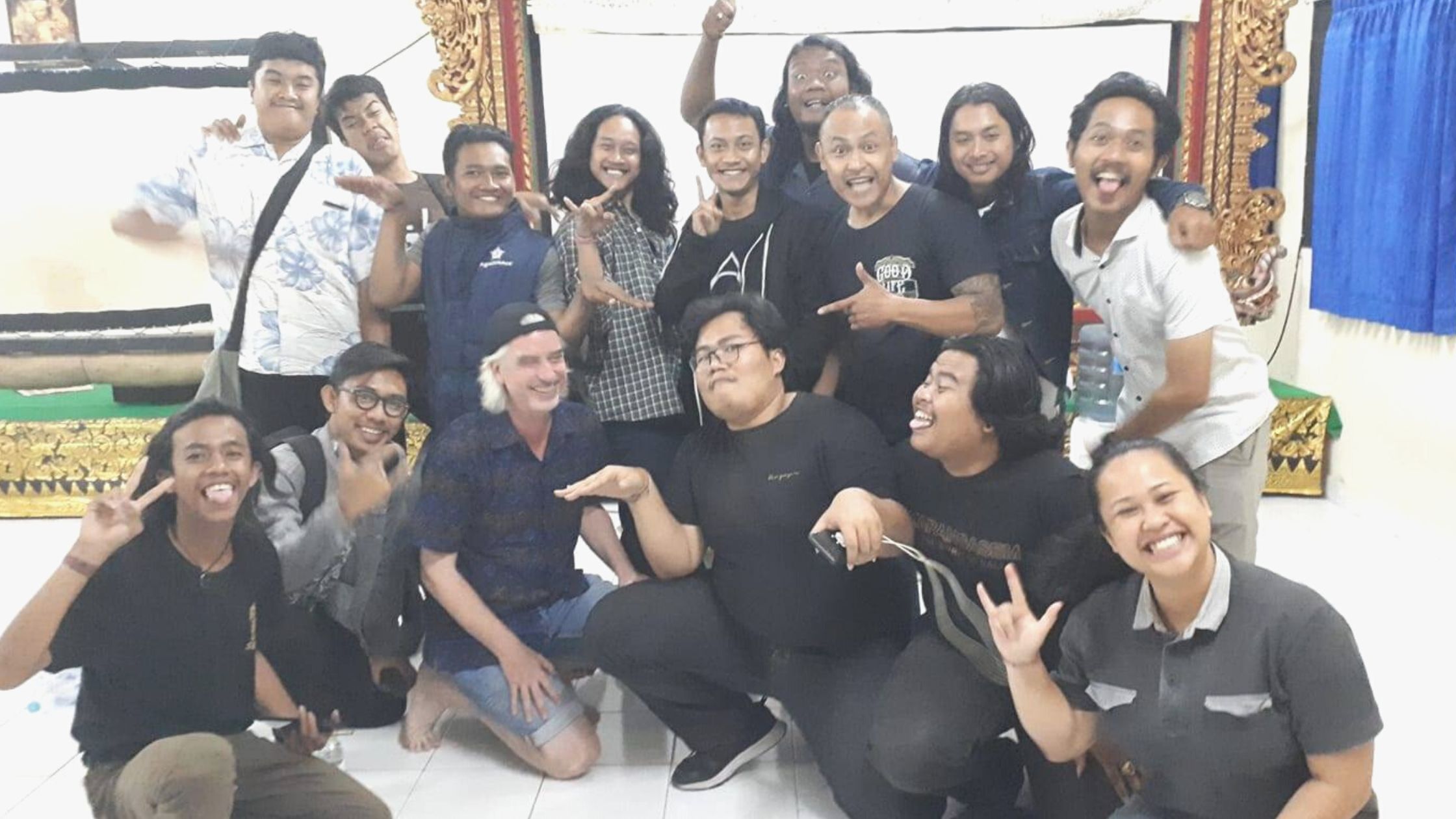
This workshop the practical exchange of practice in a 3 week cross cultural exchange hosted by noted Dalang, Prof. I. Nyoman Sedana. Jack would meet and speak with artists and artistic leaders from across the Bali, participate in Balines practice, attend performances at multiple ceremonial events and festivals.
A Global Hive Labs. Project Fusion Theatre (UK) in association BoucheWHACKED! Theatre Collective (Canada) & Chez Actors (Italy)
Medusa
Devised by the International Ensemble Directed by Katie Merritt
⭐⭐⭐⭐⭐ “And as we find ourselves inside Medusa’s own mind, the multinational cast supplement the English narration with simultaneous translation, in languages from French and Italian to Korean. It helps underscore how Medusa’s story – finding herself and her life weaponised as a result of somebody else’s actions.” – The Reviews Hub
⭐⭐⭐⭐ ‘A truly accessible production and an empowering contemporary perspective on the classic Greek myth.’ – Theatre T
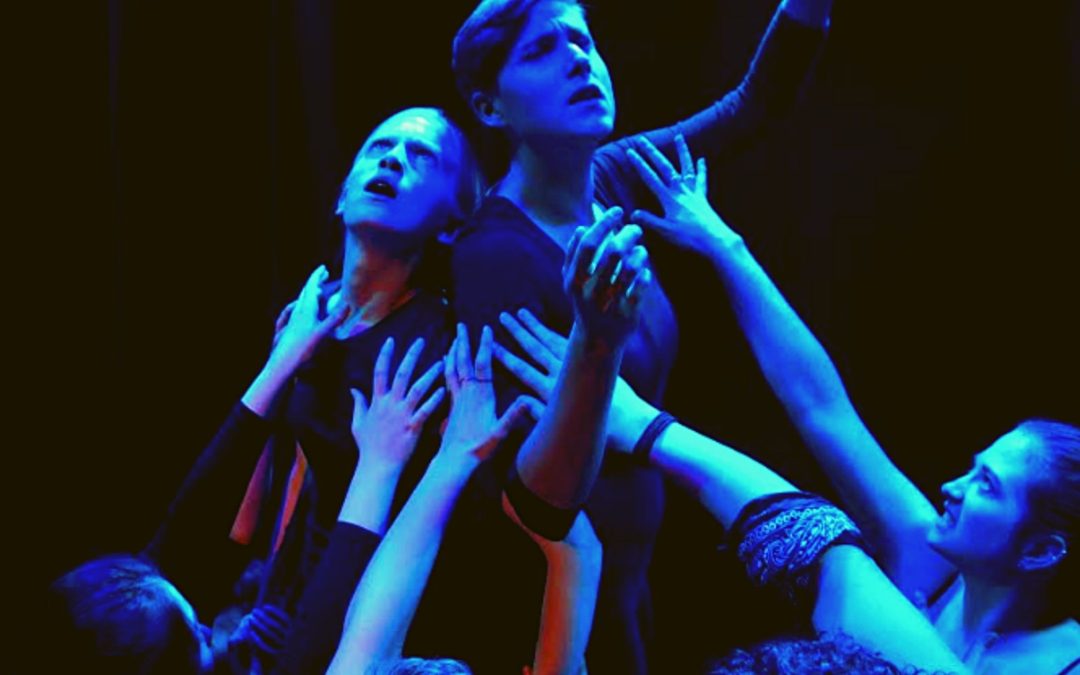
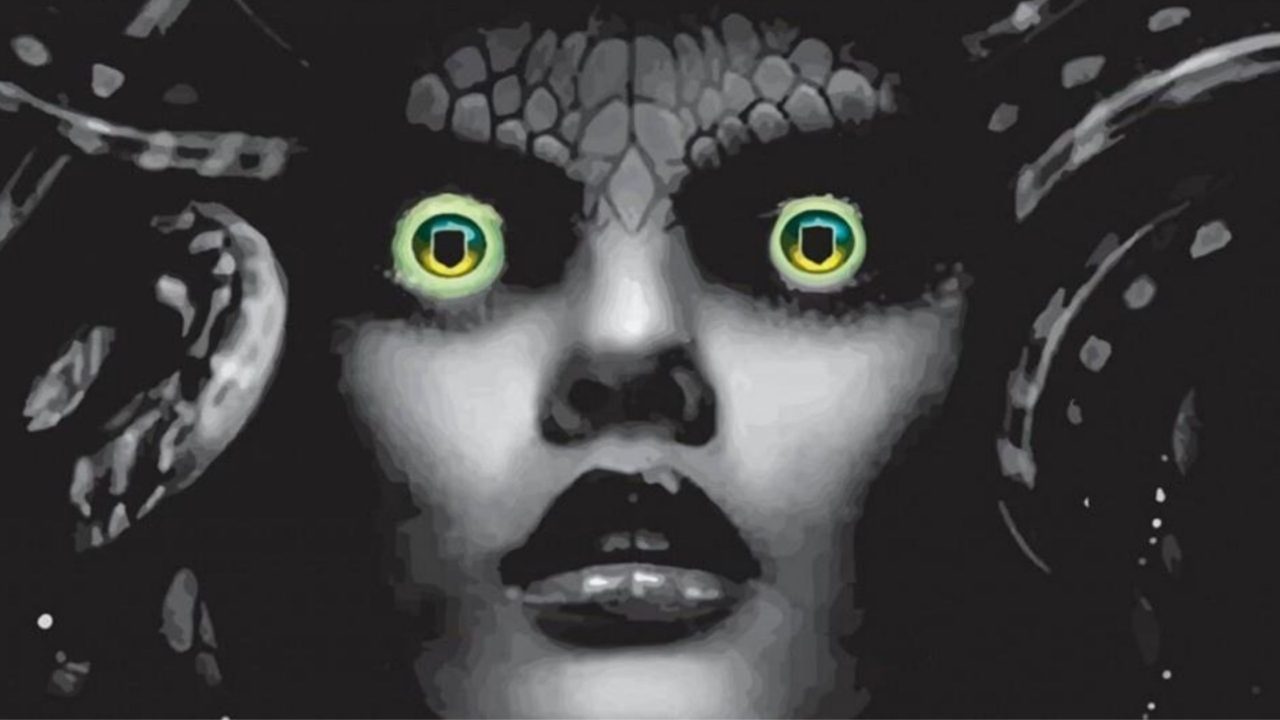
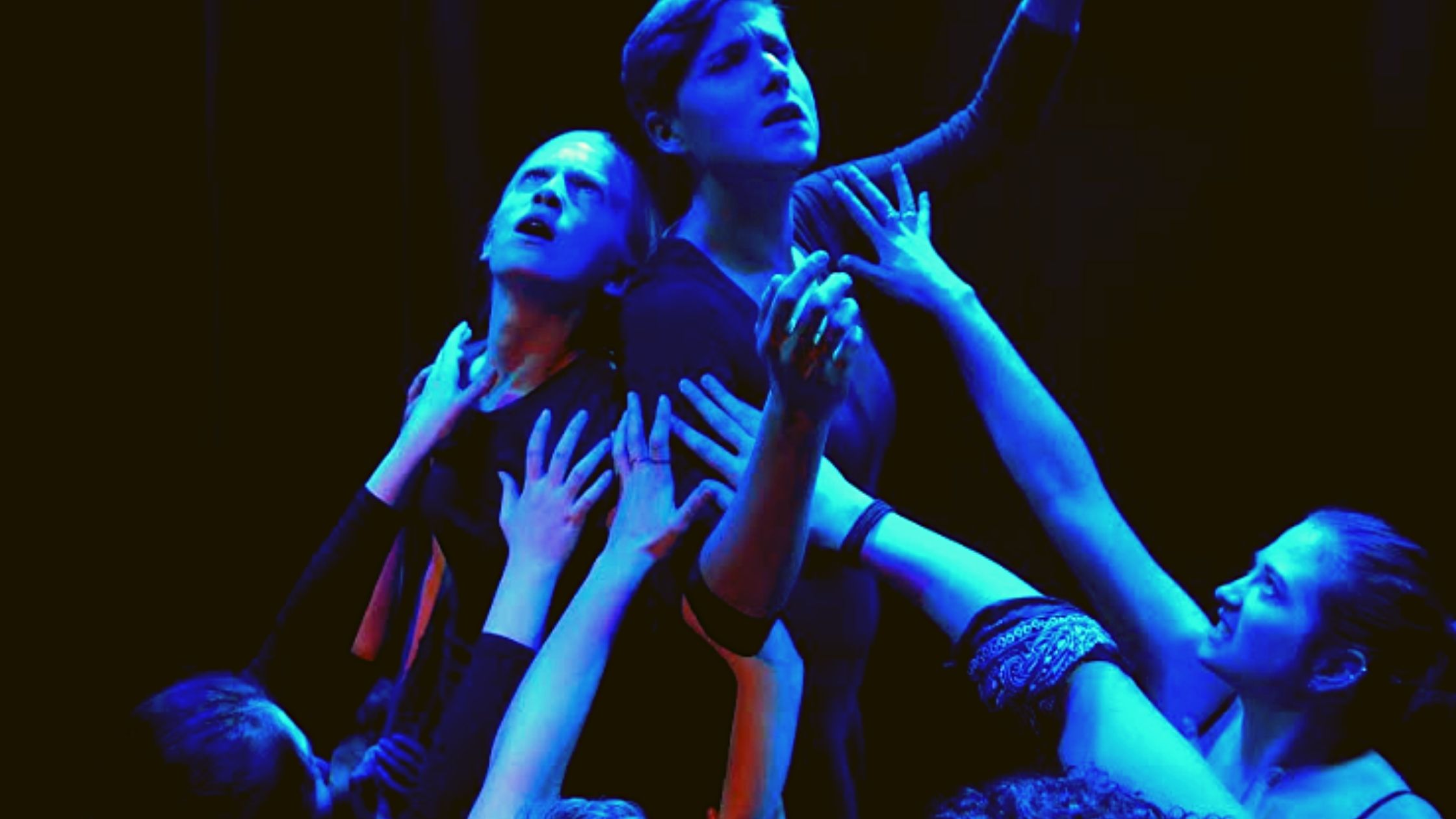
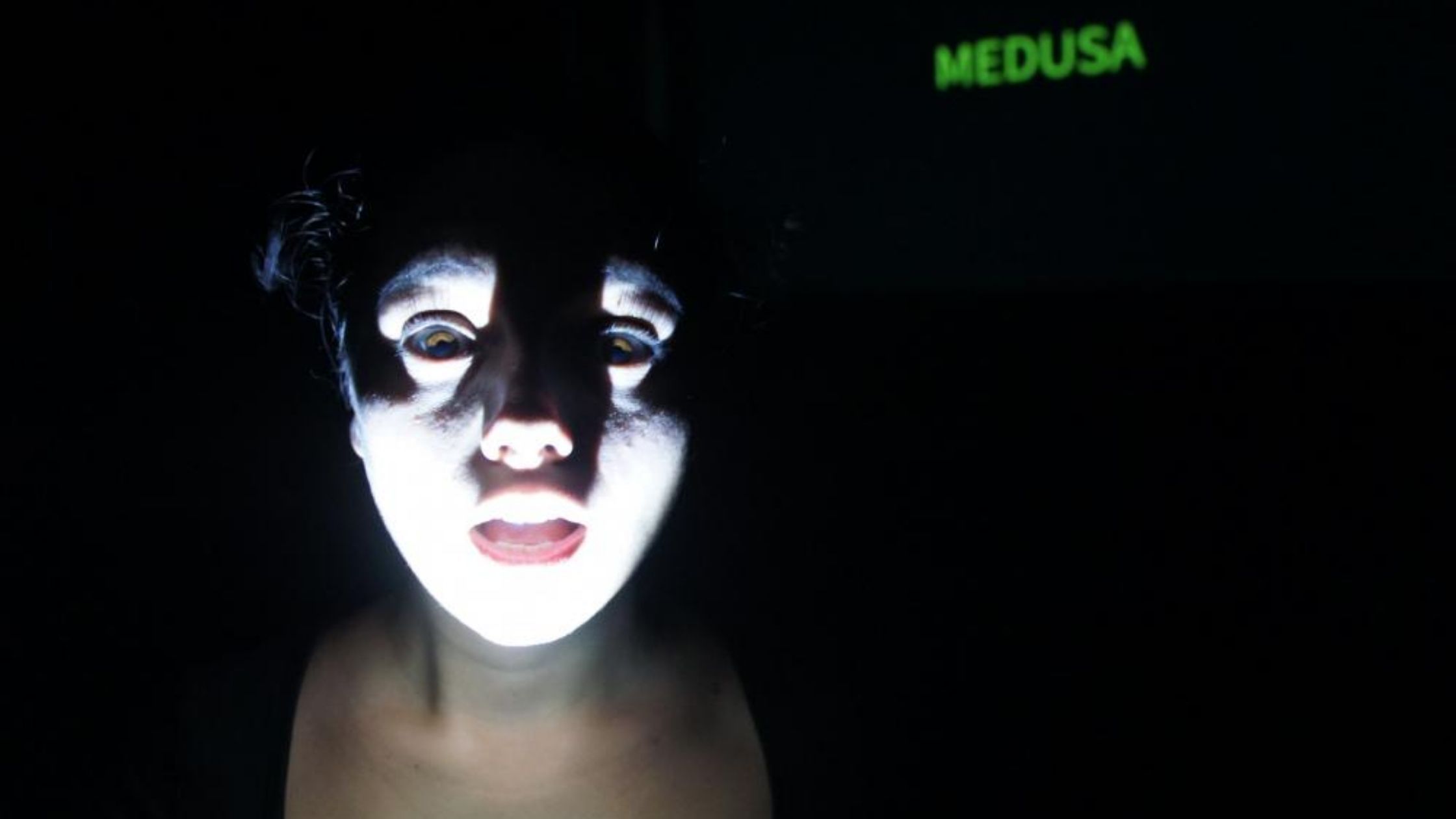
Medusa. For generations, she has been depicted as a god, a mortal, an erotic power capable of unravelling men, a fearsome image to ward off evil, and a dangerous monster to be destroyed. With feminist ideals at the forefront of our culture, she is again a power player, arresting us in her gaze.
Medusa celebrates the intersectional feminist revitalisation of western mythology, the integration of accessibility design into the generative process, and the way social location affects participation in and interpretation of artistic experiences. Medusa is a multidisciplinary performance devised by an international ensemble of artists over one year, in four countries.
The show features live music, dance, spoken word, multimedia and visual art, audiences will encounter Medusa’s journey, physical transformation, and isolation through all 5 senses.
Gallery
About
Global Hive Labs & Active Access Design
GHL is an international collective and network of companies and artists working together in shared practice. Home countries of participating organizations and artists include Italy, France, Spain, United Kingdom, the U.S.A., Canada, Argentina, Brazil, and China.
Practices include International Devised Collaboration, Multi-Lingual, Multi Disciplinary and Physical Theatre approaches, Long Distance Technologies (use of communication Technologies in creation and presentation) and Active Access Design (integrating Access Design such as audio description, etc. as core creative elements).